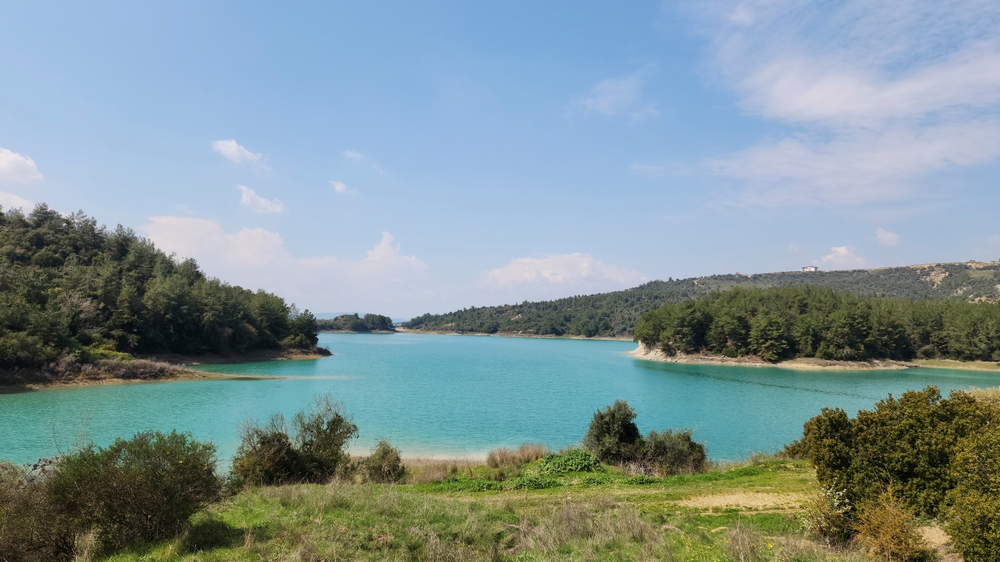
Integrated Monitoring and Remediation for Heavy Metal Contamination in Seyhan River, led by Yüregir Municipality, from Turkey, project aims to combat heavy metal pollution in Seyhan River by piloting the Heavy Metal Sensor developed by UNIFI (Universita Degli Studi di Firenze), a real-time water quality monitoring sensor. The project is inspired by and follows closely iMERMAID Use Case 3 – Demonstration of innovative solutions for the removal of heavy metals from wastewater from Turin, Italy led by SMAT Gruppo. By detecting harmful heavy metals, this initiative addresses significant environmental and public health concerns while safeguarding the river’s biodiversity and ecosystem. Over nine months, the project is implemented in three stages, culminating in the development of a comprehensive roadmap to prevent and mitigate heavy metal contamination to be shared with relevant local and regional authorities and extended communities.
Data collected from the installed sensors guide the formulation of targeted pollution reduction strategies, policy recommendations, and long-term monitoring solutions. Close collaboration with local government, environmental NGOs, municipal water treatment companies, community members, and business representatives ensure that the roadmap reflects both scientific insights and stakeholder perspectives. By providing actionable strategies for improved water quality and public health protection, this initiative contributes to the broader goal of sustainable water resource management in Türkiye and beyond.
As part of the project, three members of the municipality team participated in a two-day training session at iMERMAID partner – the University of Florence (UNIFI). Led by Serena Laschi (position), the training focused on the specifics of heavy metal measurement, including sample pretreatment, software usage, and detailed measurement procedures.
This study visit was crucial for mastering the new heavy metal detection method, which is key to the success of the pilot phase. The pilot includes the installation and operation of the heavy metal sensor, data collection, and analysis of preliminary findings. The project team has already begun collecting samples from 10 locations along the Seyhan River. They have also developed sensor tests and calibration curves. The upcoming data analysis will provide valuable insights into heavy metal contamination trends. Based on these results, the municipality will develop a roadmap that will be presented to regional stakeholders to guide targeted actions within the region.